ABOUT US
BAOB-CD serves in a facilitating and coordinating role, collaborating with faculty members from selected medical, dental schools and schools of Plamacutical Science across the globe. Through integrated clinical practice and interdisciplinary research, the Academy extends, evaluates, and disseminates knowledge and skills aligned with global standards. Its core emphasis remains on student-friendly learning, teaching, and research that deliver meaningful and sustainable benefits to communities in need.
The British Academy of Oral Biology and Clinical Dentistry (BAOB-CD) is a learned organisation committed to advancing research, education, and patient care for under-served communities worldwide. The Academy focuses on translational research, community-centred healthcare, and outcome-driven education to improve oral and overall health.
HISTORICAL BACKGROUND
The gathering at Miyaki Health Clinic, Okayama, Japan in 1995 initated and coordinated by Professor Chitta Ranjan Chowdhury is remembered with deep appreciation and respect as the moment when the foundational idea of UAI was articulated. The vision shared by those early pioneers continues to inspire the Alliance today: to bring academic institutions together in the pursuit of knowledge, excellence, service, and a better future for humanity.Among those present were Professor Tadaatsu Akagi, Professor Masahiko Mori, Professor T. Shimono, Professor Takigawa and several distinguished faculty members and academic representatives from the Philippines, China, and India. United by a commitment to academic excellence and international cooperation, the participants engaged in thoughtful discussions on the need for universities to transcend geographical and institutional boundaries and work together for the advancement of education, research, healthcare, and human development.
MISSION
Our mission is to provide community-oriented, research-focused, and evidence-based medical and dental education for undergraduate and postgraduate students and healthcare professionals.
BAOB-CD collaborates with universities and medical and dental schools worldwide to promote innovative, student-friendly learning, teaching, clinical practice, and research that meet global standards and address the healthcare needs of underserved communities.
EXECUTIVE COMMITTE

Professor Edward Lynch – Academic Dean & General Secretary BAOB-CD
Former Principal Director of Clinical Research, Las Vegas School of Dental Medicine, USA; and Head of Postgraduate Dentistry, University of Warwick, UK.
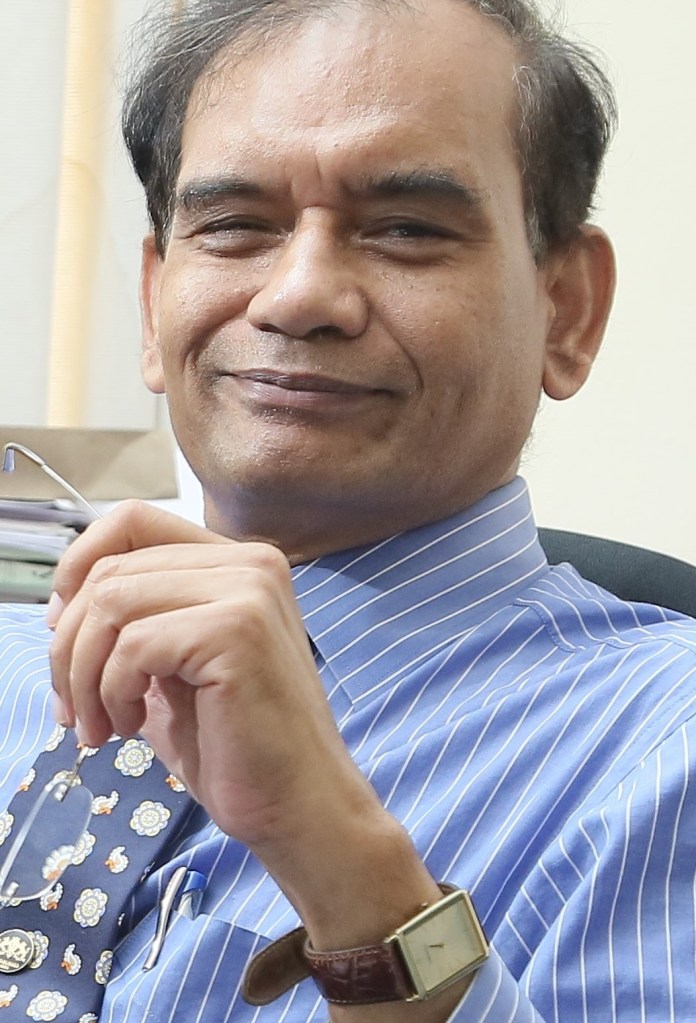

Professor Chitta Chowdhury – President & Executive Dean (CEO) BAOB-CD Academic Dean, Chairman IRB and Ethics Review Committe, The University of Greater Manchester City of London Dental School, Bolton, UK, Hon Professor, De Montfort University Health Sciences, Leicester, UK. President, Faculties University Alliance.
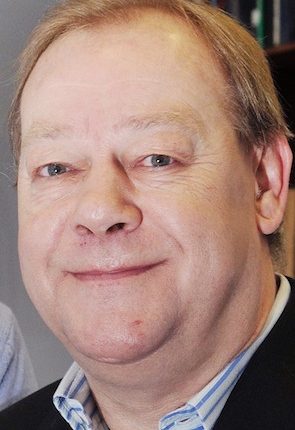
Vice-President, BAOB-CD, Research Advisor
Professor Martin G. Martin – Lead for Translational Research, Head of Research, De Montfort University School of Health and Life Sciences, UK.
Members
Dr. S. Ponnuthrurai – Treasurer
Dr. George Brown
Dr. D. Martin
Dr. Ashoka Dey Chowdhury
Dr. Avidyuti Chowdhury
Expert members
Professor Stewart Harding- Implantlogy, UK
Professor Jmalian A- Othodontics, Italy
Professor Bran Franks – Facial Aestheic (injectable), UK
Professor Jonny Herron- Aesthetic Medicine and Surgery, UK
Professor Andrew Lyons- Oral -HN Oncology and Reconstruction,UK
Professor Jiben Roy- Bioscience and Phamacutical Science, USA
Professor Rotimi Jaiyesimi- Gynecology and Obterical Science, UK
Professor T Shimono, Peadiatric Dentistry and Behavioural Oral Health Science, Japan
Professor Masaharu Seno- Cancer Stem Cell Engineering, Japan
Professor Shigeo Ishikawa – Salivary Metabolomics and Cancer Biomarker, Japan
Professor Masahiro Sugimoto – Metabolomics and Bioanalytical Chemistry, Japan
Professor Arnab Gupta- Surgical Oncology, India
Professor Dhrubajyoti Chattopadhyay – Biochemistry and Biotechnology, India
Professor Tathagata Choudhui- Biotechnology, Viral Oncological Studies, India
Professor Tony Markus- Cleft Surgery and Craniofacial Anomales,UK
Journal – The British Journal of Traslational Global Health (BJoTGH) -JP Digitals in partnership with BAOB-CD
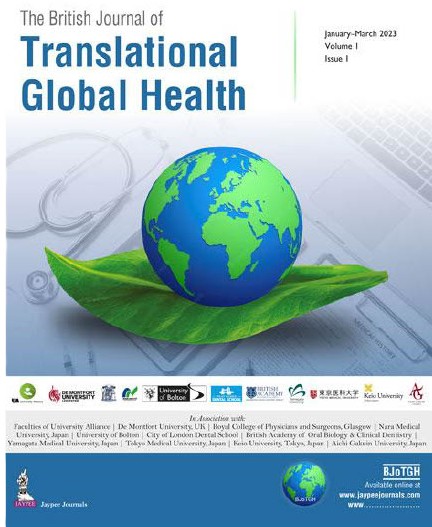
https://www.britishjournalglobalhealth.co.uk/journalDetails/BJOTGH
School of BAOB-CD – Major Services are Opted
The School of BAOB-CD, in collaboration with the Collaborative Global School of Health Sciences (Medicine & Dentistry), aims to establish an international platform for high-quality education, professional development, clinical skills training, research, and patient-centred health initiatives.
Collaborative UK Global School of Health Sciences
[Medicine, Dentistry & Pharmacutical Sciences | Virtual and Hybrid Education]
- Fellowship in Advanced Clinical Dentistry, FACD, UK
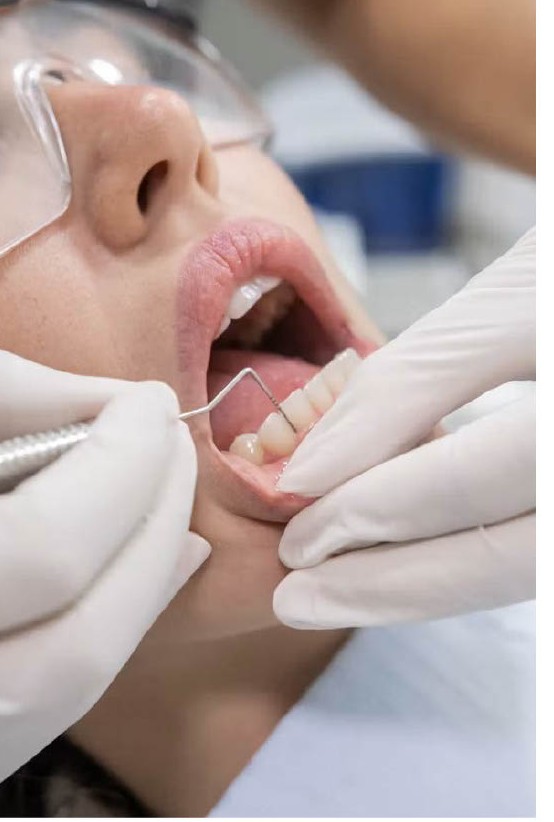
Offered By:
British Academy of Oral Biology & Clinical Dentistry (BAOB-CD), UK and Faculties of University Alliance (UA), UK
In association with: City of London Dental School, University of Greater Manchester, UK
Duration 12 months
Fees: Free for Induction courses for the Registered Members of BAOB-CD
Credit: (100: I credit= 3 hrs)
Teaching Training Method:
Blended (i) Face to-face clinical tutorial and Online interactive sessions, followed by assignments and portfolio assessment (ii) hands-on clinical procedures with advanced technique
Minimum Eligibility: BDS with national full registration, minimum one-year clinical experience, reference
Intake capacity: 10
Learning objective(s):
By the end of the course, the students will be able
• To demonstrate the advanced knowledge and deep understanding of all areas which are pertinent to clinical practice of UK and USA equivalence
• To learn how to recognize a dental or an oral disease and enable them to make differential diagnoses and proper treatment planning and management protocol.
• To be competent in undertaking restorative procedures through hands-on training on manikin followed by patients
•To communicate with patients by avoiding medical/dental jargons and maintain the professional dignity among the peers/team
•To manage the medical emergencies in dental practice
•To prescribe drugs with appropriate doses
•To write a referral letter to a physician and dental specialist when needed
•To handle litigation issues and indemnity as per statutory body of the country
Knowledge and Clinical Skill development on
Through simulated cases- 20
Hands on 20 skill practices including x-ray taking and reading for diagnosis (OPD, Periapical, occlusal, USO, LSO, OM, SMV, Parallax shift technique
Additional (hands-on):
All restorative procedures, Full Gold Crown, Metal Ceramic Crown, Porcelain Veneer, Inlay, onlay, overlay, Root canal preparations and obturation (single and multi-rooted teeth).
Understanding on (Top up with two from the following)
• Scanning and Milling system for restorations
• Scanning, Designing and Milling Restorations
• Basic Implant
• Ortho-bracing with clear aligners
- Application of CBCT in dentistry
- Application of CAD-CAM in dental practice
- Laser in Dentistry
Additional:
- UK License: The Fellowship helps UK Registration Exam.
- Masters Degree: An Accredited Prior Learning (APL)/Credit transfer for the UK University PG Certificate, Diploma and MSc / M Dent Clin / MDS in specialty branch of Clinical Dentistry (City of London Dental School, University of London).
FREE CPD: Two hours free CPD on Fellowship Course (as Taster) for registered BAOB-CD members
Further detail : Email. crc.ob.cod@gmail.com crc1ext@bolton.ac.uk
Phone/WhatsApp +44 793 -270-4064 (UK) : Course Admin/Secretariate
Induction: Free CPD with Certification (weekend – 2 hours, applicable for BAOB-CD members)
NOTE: The School will operate through virtual and hybrid modes of education, enabling collaboration among distinguished clinicians, academic faculty, subject experts, professional bodies, and partner universities in the UK and overseas.
2. UK Certificate Courses on Nicotine Replacement Therapy (NRT) & Cancer Prevention & Control
[Jointly with BAOB-CD, UK, and City of London Dental School University of Greater Manchester in association with Host Country University Department]

Name of the courses
- UK Certificate in Clinical NRT
- UK PG Diploma in Clinical NRT
* Includes e-copy of NRT handbook, handouts, and educational resources.
Intake: Intake capacity- 10
Teaching Learning: Blended online and face-to-face*
*(A month of instructional portfolio assessment of 20 cases will be a requirement)
Eligibility: Medical and Dental Practitioners
Couse Director : Professor Chitta Ranjan Chowdhury
Dean : Professor Edward Lynch
Admin : Sophia Thomas
About the course
The Training and Assessment Programme (TAP) includes all of the core competencies (knowledge and hands-on skills) needed by the intended stop-smoking practitioners to help quit smokers and chewers from their habit(s).
The course is developed by considering the context and culture (of the community/person) of the country and updated with the appropriate knowledge and techniques for tobacco cessation, and that is based on evidence-based information both for clinical management, and behavioral modification of the cases who are dependent on tobacco habit(s). The course is designed with a clear understanding of the factors related to tobacco dependence and includes practical interventions to ensure the patients (of tobacco dependence) aim to keep them away from tobacco consumption permanently.
Faculty
The Faculty of Health, Education, and Biomedical Science are the faculties of the University Alliance of the British Academy of Oral Biology & Clinical Dentistry (BAOB- CD). The concerned Faculties are teeming with their appropriate expertise and primed to meet the demand for creating clinicians and health care professionals in a structured approach, so that, at completion of the course, the takers can engage themselves to start the services accurately, independently, and confidently. Our faculties of repute from the UK, USA, and Japan are equipped with quality assurance, long-experiences, dedication, and ambition balanced with student satisfaction. We know that to give our students the absolute best experiential learning, before starting at their workplace/clinical settings.
Name of the Modules with Units
Core Modules For UK Certificate Course
Duration- 4 days (3 hours /day, preferably weekend evening)
- [Unit-1. PATA] : Principles of Assessment of Tobacco Dependence
- [Unit-2. KAP ] : Study for Indices on Knowledge, Attitude & Practice (KAP)
- [Unit- 3. U-NRT] : Understanding of Severity of Tobacco Habit, FTND Score & Nicotine Replacement Therapy (NRT)
- [ Unit-4 CM ] : Selection of a single advanced module
Advanced modules for UK PG diploma Course*
Duration – 4 weeks ( 3 days/week, 2 hours/day preferably in the weekend evening).
*[ The credit units are transferable as Accredited Prior Learning (APL) for enrolment of master’s qualification (MSc) ]
- [Unit-1 OHAM] : Oral Health Assessment and Monitoring
- [Unit -2 BMI-BF] : Measuring Body Mass Index (BMI), and the percentage of body fat
- [Unit-3 PFT] : Pulmonary Function Test (PFT) & PFT John Hopkins Hospital Protocol
- [Unit-4 CODM] : Carbon Monoxide Detection (CO- measuring)
- [Unit -5 MDS] : Macular Degeneration and Smoking & Correlation between macular degeneration and smoking
- [Unit-5 BM] : Behavioral Modification for cessation of tobacco & follow-up monitoring
- [Unit-6 NRT] : Nicotine Replacement Therapy, Prescription NRT and OTC NRTs
- [Unit-7 NRTCM] : NRT Therapy Complication & Management
- [Unit-8 OSCE] :Oral Cancer Screening & Education
- [Unit-9 CM] : Counselling (one-to-one/ group) and monitoring
- Unit-10 PAR] : Portfolio assessment from the allocated case cohorts, and reporting on real case scenarios discussions.
Assessment
Your assessment will be constructively aligned with your teaching-learning practice. You will be assessed both formatively and summative by structured feedback for each unit. You will be assessed on interactive learning observations and reflections on NRT case presentations. Any academic papers, reports from case cohorts, and oral presentations will be endorsed in the academic transcript and UK certification.
Convocation & Certification: After a week of completion of the course.
Note:
- Continual support: The qualified practitioners are entitled to discuss any case with the course director for any advisory support.
- Provision of approval of NRT clinic and practitioner after an assessment by BAOB-CD & Host Country University/Institute
The above-mentioned programs will be conducted by (1) BAOB-CD, UK in association with (2) Host Country University/Institute (3) regional cancer centers
Fees: Free for Induction Couses applicable for registerd members of BAOB-CD
Doctoral and Postdoctoral Programmes
The School will facilitate opportunities for doctoral and postdoctoral education and research through collaboration with faculties and academic partners within UK University Alliances, selected Japanese universities, and other internationally aligned universities.
Potential areas of collaboration will include:
- Doctoral research programmes
- Postdoctoral research and academic development
- Joint research initiatives
- Academic supervision and mentorship
- Collaborative publications and scholarly activities
- Interdisciplinary research in medicine, dentistry, health sciences, and related fields
All programmes will be developed in accordance with the academic, quality-assurance, accreditation, and regulatory requirements of the relevant partner institutions.
Professional Doctoral Programme:
Couseware for Professional Doctorate (PhD)
Overview
The Professional Doctorate in Health is designed for health and allied health professionals seeking to advance their careers as expert practitioners, leaders and practice-based researchers. The programme is suitable for professionals including physicians, dentists, allied health professionals, and other health and social care practitioners.
Delivered through a flexible combination of online learning and face-to-face Summer Schools, typically five days in duration, the programme is designed to accommodate the needs of busy health and social care professionals while maintaining a high level of academic and research support.
During the first two years, you will complete a series of units covering research methods, evidence-based practice, comparative health policy, and other topics relevant to research in professional practice. Alongside these units, you will progressively develop a research protocol for your doctoral project.
Unlike a traditional PhD, you are not expected to have a fully developed research proposal before starting the programme. Your Personal Development Adviser (PDA) will work with you to refine your research interests and develop your research plans. During the second year, you will transition to supervision by an academic supervisor and a practice-based specialist who will support you throughout the doctoral research phase.
Programme Features
- Undertake independent research and develop advanced research skills while remaining actively engaged in your professional practice.
- Study flexibly through a combination of online learning and face-to-face engagement within a supportive, multi-professional community.
- Develop expertise in policy and practice, with opportunities to explore healthcare systems, services and professional practice from an international perspective.
- Apply research directly to practice, enabling you to contribute to improvements in healthcare, health services and professional practice.
- Receive personalised academic and professional support throughout your doctoral journey.
Time Commitment
We recognise that many students on the Professional Doctorate in Health programme are employed in demanding full-time health or social care roles. The programme has therefore been designed to be flexible and supportive, allowing you to balance doctoral study with your professional responsibilities.
You should, however, be prepared to commit an average of at least 15 hours per week to your studies. This time may be accommodated through study leave or by undertaking independent study during evenings, weekends and holiday periods.
Programme Structure
The Professional Doctorate in Health is designed as a flexible programme. Students will typically complete their studies over four to five years, although you may take up to eight years to complete the programme where required.
Year One
- Research project preparation and planning
- Introduction to practice-based research
- Research design and methods
- Evidence into practice
Year Two
- Research project design and development
- Professional Issues in Health 1: Policy
- Professional Issues in Health 2: Practice
Years Three and Four — Doctoral Research
- Doctoral research and thesis
The programme structure enables you to progressively develop your research knowledge, skills and project from the first year through to the completion of your doctoral thesis.
Research Proposal and selection of Guide and the University: The thesis research proposal will be submitted prior to enrollment. A research guide will be selected through BAOB-CD from the list of faculty members affiliated with the University Alliance. The research plan will subsequently be discussed with the selected supervisor to ensure that their laboratory or field facilities are compatible with and adequate for the proposed research.
Learning and Teaching
Teaching is delivered primarily through online learning units, providing you with the flexibility to study alongside your professional commitments.
Online units include:
- Comprehensive learning resources and resource libraries
- Access to online journals and academic resources through the University Alliance Library/Resources
- Structured learning activities
- Online discussion forums and peer engagement
- Opportunities for direct communication with academic staff and fellow students
All learning materials and activities are accessible through PD Online, our bespoke virtual learning environment. PD Online also enables you to submit assignments, access course materials, participate in discussions and communicate with tutors and fellow students.
Research and Thesis Supervision
During the research and thesis phase, you will be supported by a supervisory panel comprising academic and practice-based specialists.
The University academic supervisor will provide guidance to ensure that your research meets the required academic and doctoral standards. Your practice-based specialist will support the development of research that is relevant, innovative and at the forefront of professional practice.
This dual-supervision approach ensures that your doctoral research maintains both academic rigour and meaningful impact on professional practice.
Methods of Assessment
Assessment is designed to evaluate your ability to critically engage with evidence, apply research methods and translate knowledge into professional practice.
Assessment methods include:
- Written assignments
- Critical literature reviews
- Research protocols
- Reflective accounts
- A portfolio demonstrating the application of learning to professional practice
- A face-to-face transfer interview
- A final doctoral viva
There are no traditional written examinations.
Entry Requirements
Academic and Professional Requirements
Applicants will normally be expected to have:
- A First-Class or Upper Second-Class Honours degree (2:1), or equivalent, in an appropriate subject from a recognised university; and
- A practice-based professional role within a health, (medicine, Dentistry, Pharmacutical Science, Life Scieece and Phamacutical Science, Nursing Science and Social Care.
- Applicants should normally have at least one year of professional experience within their relevant field.
The degree requirement may be waived in exceptional circumstances where an applicant holds a higher degree or can demonstrate a substantial track record of practice-based research, including research published in peer-reviewed journals.
Holding a relevant practice-based role is a condition of entry to the programme, as the Professional Doctorate places significant emphasis on the integration of research and professional practice.
English Language Requirements and option
Applicants whose previous education was not conducted in English may be required to provide evidence of English language proficiency.
English language certificates must normally have been obtained within two years of the start of the programme.
Fees and Scolarships:
If the candidate’s undergraduate and postgraduate studies were conducted in English, the assessment board may conduct a short English language proficiency test. In such cases, IELTS or PTE scores are not required.
Accepted qualifications include:
- IELTS: Overall score of 7.0, with no less than 6.5 in each component
- PTE Academic: Overall score of 69, with no less than 62 in any component
- PS: Option:- If the candidate’s undergraduate and postgraduate studies were conducted in English, the assessment board may conduct a short English language proficiency test or online assessment. In such cases, IELTS or PTE scores are not required.
Fees and Scholarships: Fees will be charged in accordance with the University’s regulations. However, candidates may be eligible for a waiver of tuition fees if a governmental grant, including a research grant, is secured for the candidate by the agreed supervisor. A small charge for coursework may also be incurred.
The doctoral degree programme will be aligned with the regulations of the respective universities. Post-doctoral research can be organised jointly with the Faculties of UA and BAOB-CD. Scholarships and research grants will also be explored and made available where possible. In addition, courseware, orientation, and preparatory support can be offered to prospective candidates
 Faculties – University Alliance
Supervisors For PhD and Post-doctoral Research
- Professor Shigeo Ishikawa, Chairman,Department of Dentistry, Oral and Maxillofacial-Plastic and Reconstructive Surgery Yamaga University, School of Medicine, Japan : https://www.yamagata-u.ac.jp/jp/ https://www.yamagata-u.ac.jp/en/academics/graduate_re/medical/https://yudb.kj.yamagata-u.ac.jp/html/200000205_en.html Areas of Research and Expertise: Oral cancer, salivary biomarkers and metabolomics, AI-based diagnosis, and other clinically oriented research using patient samples and clinical data.
- Professor Masahiro Sugimoto, Chairman, Department of Metabolomics and Bioanalytical Chemistry, Keo University, Japan. About Prof. Sugimoto. Professor Masahiro Sugimoto is a prominent Japanese researcher and professor at Keio University, affiliated with the Graduate School of Media and Governance and the Institute for Advanced Biosciences. Areas of Research and Expertise: His work specializes in metabolomics, bioinformatics, systems biology, and non-invasive disease detection using biofluids. Sugimoto photo.jpg https://orcid.org/0000-0003-3316-2543 https://www.keio.ac.jp/en/
- Professor Masaharu Seno, Professor Emeritus Department of Cancer Stem Cell Engineering, Faculty of Interdisciplinary Science and Engineering in Health Systems, Institute of Academic & Research, Okayama University, Japan. Masa Seno Prof. Stem Cell Engineering Okayama University.JPG https://www.cc.okayama-u.ac.jp/nanobiotech.senolab/researchE.html
- PS: A compregensive list and faultues / lab/ specialties and resorces will be provided.
Postdoctoral Research:
Postdoctoral Research Training
Postdoctoral positions are primarily research-focused roles for researchers who have completed a PhD. Training may include research skills, academic publishing, grant writing, teaching, and career development. Further details will be provided after application.
The faculties of the University Alliance will host and support selected postdoctoral fellows. Several scholarship and funding opportunities may be available, with programmes such as JSPS actively encouraged. BAOB-CD will play a facilitating and coordinating role in supporting applications, partnerships, and postdoctoral opportunities for the BAOB-CD members.
Patient Interest Group and Virtual Patient Care
The School will establish a Patient Interest Group to promote patient education, engagement, and access to appropriate information and referral pathways.
Through virtual platforms, the initiative may provide:
- Patient education and health information
- Support for informed decision-making
- Signposting and referral to appropriate healthcare services
- Expert educational sessions
- Awareness programmes relating to prevention, early detection, treatment, and survivorship
The service will be designed as an education, information, and referral-support initiative, rather than as a substitute for direct clinical care.
Education Programmes for Aspiring Health Science Students
The School will support students interested in pursuing health science, medicine, dentistry, and related disciplines in the UK.
Need-based educational support may include:
- Academic preparation
- Guidance on applications to UK universities
- Personal statement and supporting-statement preparation
- Academic and career guidance
- Preparation for relevant admission processes
- Orientation to healthcare education and professional pathways in the UK
The programme will aim to widen access to health science education by providing structured guidance to suitably motivated students at secondary and higher-secondary levels.
Cancer Prevention and Control Programme
A major area of public and professional engagement will be the Cancer Prevention and Control Programme, with a particular focus on oral and head-and-neck cancers.
The programme will promote evidence-based education and awareness across the cancer pathway, including:
Prevention and Awareness
- Public and patient awareness programmes
- Evidence-based cancer prevention education
- Tobacco and nicotine cessation support, including appropriate nicotine replacement therapy (NRT) services
- Education regarding lifestyle and other modifiable risk factors
Early Detection and Screening
- Awareness of early signs and symptoms
- Promotion of appropriate screening and early-detection pathways
- Educational initiatives for patients, communities, and healthcare professionals
- Expert guidance on appropriate referral
Vaccination and Secondary Prevention
- Evidence-based advice and education concerning relevant cancer-prevention vaccination
- Secondary prevention and risk-reduction strategies
- Support for patients and families in understanding available preventive approaches
Support for Patients with Cancer
For individuals who have developed cancer, the programme will provide evidence-based educational support, information, and appropriate referral guidance, including information relating to treatment pathways, survivorship, rehabilitation, and tertiary care.
Particular emphasis will be placed on oral cancer and head-and-neck cancer, reflecting the School’s commitment to prevention, early detection, multidisciplinary care, and patient-centred education.
Academic Collaboration
Through these initiatives, the School of BAOB-CD and the Collaborative Global School of Health Sciences seek to develop a globally connected academic and professional ecosystem linking education, clinical expertise, research, innovation, patient engagement, and public health.
The School welcomes collaboration with universities, faculties, Royal Colleges, professional organisations, healthcare institutions, clinicians, researchers, and other academic partners committed to advancing education and healthcare internationally.
Constitution and By-laws
BRITISH ACADEMY OF ORAL BIOLOGY & CLINICAL DENTISTRY [BAOB-CD]
Section 1. NAME OF THE ORGANISATION: The name of this organization – the British Academy of Oral Biology & Clinical Dentistry and will be abbreviated as BAOB&CD in the text. The Academy denotes Association or Society.
Section 1.1. EXPLANTION of SEC 1. It is one of the organizations protects the interests and activities of researchers and clinicians involve for a proper growth of oral and craniofacial health science and that contributes towards re-enforcement of evidence-based practices and to help develop underserved research and clinical practice in collaboration with selecrive dental schools around the globe.
Section2. AIM & OBJECTIVES
The aim and objectives of the organization
2.1 To provide a platform for applied basic, clinical, epidemiological and strategic researches in oral biology and minimally invasive clinical dentistry.
2.2 To help develop innovative educational development in dentistry and care services based on the concept of communality involvement for health development.
2.3 To provide advanced clinical training in dentistry through collaborating dental settings
2.4 To disperse the research findings among the various agencies and the public.
2.5 To develop a bridge between science and community
2.6 It aims to establish a separate institute of excellence in due course– linked with University departments, identified learned organizations at home and abroad.
2.7 To prioritize the studies regarding biological perspective of deadly diseases such as mouth and head-neck cancer prevention and control.
2.8 To pursue research, education and services for prevention and control of oral and cranio-maxillofacial diseases
Section 3. MAJOR GOAL
3.1. Providing a platform for activity programme of oral biology & Clinical Dentistry : To provide a platform for basic Dental/Oral Health research, to promote Oral Biology as an identified branch of dentistry, and to impart the knowledge and understanding of this discipline among the health professional including general public.
3.2. Activating students, faculties: To promote the subject of oral biology among the dental students of undergraduate studies, and other branches of life science in order to develop interest in oral health research and its application.
3.3. Exchange of knowledge and skill and development of dada-base: To disperse research findings among the various agencies and public by acting as a medium between oral biologists and the academia, industry and the related agencies or association.
3.4. Recommendations of the Policy & Strategy for Decision Makers/Administrators: To recommend policy and strategy for development of research and cost-effective care services, clinical governance, clinical audits through consultations/working-group meeting of stakeholders and the experts of the field.
3.5. Establishment of own Premises and Infrastructural Facilities: The organization will aim develop its own infrastructural facilities and income generating units /services for public use not for private/personal use. Clear to mention that the ownership will not by an individual, rather BAOB. A trust and charity by limited Co could be set up as and when required. The scope of Public, Private and NGO partnership could be developed.
Section 4. MEMBERSHIP
There shall be six categories of membership will be available in this organization.
i) Founding members
ii) Full-time member
iii) Associate- member
iv) Student-member
v) Fellowship
vi) Corporate membership
Members of BAOB& CD in any of the six categories can be appointed unanimously or elected. A candidate can apply for a membership by filling the membership form available at the BAOB&CD office. Each application will be reviewed by the Executive Board (EB). If the information provided by the applicant is found adequate by the EB, then it will be approved by EB for a membership.
Section 5. EXECUTIBE BOARD (EB)
Executive Board (EB) is the supreme authority of BAOB& CD EB consists of a Director who is the President of the organization, a General Secretary (GS), a Treasurer and three members.
Role and term of the Director cum President of BAOB&CD For development of the organization the President will be designated to act as Director of the EB, and he will discuss the agenda with General Secretary to convene a meeting of EB. The Director has the jurisdiction to convene an urgent meeting face-to-face or VDEO meeting/web-based upon intimation to general secretary (GS). The members of Executive board will have a dedicated password (protected) for VDEO meeting/conferencing.
5.1. Director will take a lead role to propose any development and strategic goal for advancement of Dental and Cranio-Maxillo-Facial Health related research, educational development and community services.
5.2. S/he will have consultation with General Secretary and Treasurer to develop budgetary provisions and generation of income.
5.3. S/he will discuss with General Secretary and Treasurer to propose any ad-hoc or steering committee for academic, research and clinical development
5.4. S/he will have leading role to develop faculty of BAOB&CD
5.5. S/he will have jurisdiction to develop a framework upon consultation with GS and Treasurer to discuss in the executive board to propose to statutory bodies and governmental departments including funding agencies
5.6. S/he will hold the office for two terms (of 5 years each), subject to confirmation by EB and confirmed by nearest AGM .
5.7. Founding Director cum President will have a right to continue as advisory board as Chief Executive Officer (CEO) of the EB with voting power until retirement (retiring age is 85 yrs).
6. GENERAL SECRETARY (GS)
6.1. GS will convene the meeting upon consultation with President. He will organize the office bearers and control the regulations to develop and sustain.
6.2. S/he will hold the office for two terms (of 5 years each), subject to confirmation by EB and confirmed by nearest AGM .
6.3. Founding General Secretary will have a right to continue as advisory board of the EB with voting power until their retirement (retiring age is 80 yrs).
7. TREASURER
7.1. Treasurer will maintain the budget and its development of BAOB&CD
. An authorized auditor will help him/her to keep accounts transparent. S/he will present the audit report in AGM.
7.2. S/he will hold the office for two terms (of 5 years each), subject to confirmation by EB and confirmed by nearest AGM .
7.3. Founding treasurer will have a right to continue as advisory board of the EB with voting power until their retirement (retiring age is 80 yrs).
8. MEMBERS OF EXECUTIVE BOARD
Three (3). Nominated by either president, GS or Treasurer
Term – 2 years
9. Full Members: The following are the criteria set forth to be eligible as the full members:
9.1. A candidate shall have demonstrated interest and competence in the field of Oral Biology & minimally invasive clinical dentistry, defined by having accomplished one or more of the following
• Preferably the candidate shall have conducted original research in areas related to dentistry or Oral Biology and/or clinical research, or another branch of science that has a potential to help contribute dentistry.
• Preferably the candidate shall have published original researches in a peer-reviewed refereed journal of science.
The candidate shall have received a doctoral degree in dentistry (B.D.S), or its equivalent, from a recognized graduate program in the discipline. Candidates to full membership should hold either a Ph.D. or its equivalent, an MS degree in Oral Biology, or a strong interest in Oral Biology as documented by either having participated or actively participating in research in the field (e.g., through a practice-based research network).
9.2. The candidate shall have contributed to the advancement and understanding of the field of Oral Biology/ dental sciences or shall have functioned in a formal capacity in the teaching of Oral Biology and minimally invasive clinical dental practicre.
9.3. The candidate has contributed to the dissemination of fundamental and clinical knowledge in Oral Biology by means of scholarly publications, teaching, and/or Continuing Education programs.
10. Honorary Member
Well known Oral Biologists of the world shall be selected as Honorary member on the basis of their significant contributions in the field of Oral Biology, but, not more than one in one year, on recommendation of EB, the Annual General body meeting will confirm a honorary member. Honorary member shall not be regular member of the Association and shall have no voting right and shall also not be eligible to become Office bearer or an EB member.
11. Student Members: Student members must be enrolled in dental education programs, including dental schools and postgraduate programs, and/or postgraduate students in Oral Biology or related discipline.
Applications for student membership must be accompanied by a letter of support by the student’s professor, or student’s valid ID card, and preferably a 500-word statement of interest by the student-applicant. The Undergraduate dental students will avail academic and research projects that help complete their better understanding of the subject.
12. Corporate member: Any corporate organization wants to develop a partnership based on common goal will be accepted as Corporate member.
Section 13. Fellows of the BAOB&CD
The Executive Board shall elect a maximum of four Fellows yearly, whom will be confirmed by the AGM, personally notified by either the President, officially recognized at the yearly BAOB&C Board meeting, and duly announced in the journal of the Association. The Fellows will not have voting right. There shall be two types of BAOB&CD fellows-
Regular Fellows: hereby called BAOB&CD Fellow, shall be individuals who have been members of BAOB&CD for at least three years, shall have contributed significantly to the field of oral biology through at least two of the following:
• Selected publications and research in the field
• Premier teaching and training in oral biology and
• Extraordinary service to BAOB&CD.
Honorary Fellows: hereby called Honorary BAOB&CD Fellows, shall be individuals who may, or may not have been members of BAOB&CD but have contributed most significantly to the field of oral biology through both two of the following venues:
• Selected publications and research in the field, and
• Premier teaching and training in oral biology and clinical dentistry
Other requirements for nomination, and the process for appointment and confirmation shall be identical to that of Regular Fellows.
The process of nomination of BAOB&CD Fellow and Honorary BAOB&CD Fellow shall be as follows; Candidates for the appointment of BAOB Fellow or Honorary BAOB&CD Fellow shall be nominated by either another BAOB Fellow or Honorary Fellow, or by an BAOB&CD Board member.
• Candidates may provide up-dated Curriculum Vitae, although their reputation shall precede them.
• The nomination shall consist of a letter addressed to the Board of BAOB&CD, which details the grounds for nomination.
• The nomination shall be seconded by no less than two and no more than five letters further supporting the nomination.
The candidate, or any member of the Board of BAOB may select the authors of the nomination and supportive letters. Both nomination and supporting letters must be authored by either BAOB Fellows or BAOB Board members.
Any BAOB&CD member shall have the option to provide the Board with recommendations of scholars with exceptional potential for recognition and appointment as BAOB&CD Fellow or Honorary BAOB&CDFellow. The benefits of appointment as BAOB&CD Fellow and Honorary BAOB&CD
Fellow shall be primarily the honorific recognition by one’s peers of a career dedicated to elevating our field of oral biology. BAOB&CD
Fellow and Honorary BAOB Fellow shall remain lifetime members of BAOB&CD at no cost.
Entitled to use Title Fellow of BAOB&CD : After Fellowship if a member can perform 3 CPD annually and contribute a research under BAOB, s/he will be offered fellowship certified and eligible to use the tile (FBAOB) Fellow of the British Academy of Oral Biology & Clinical Dentistry.
Section 15: ADMISSION OF MEMBERS
A person who wishes to apply for membership of the Association has to first complete and submit the application form. Founder, Full, Associate, and Student members will have to submit the – application form along with the prescribed fees and supporting documents/credentials to the Secretary. The Secretary will have the authority to first scrutinize the application form and must be submitted to the EB for approval. After verification, if all documents are found to be in order and to the satisfaction of the Secretary and the EB, the approval will be passed and the member will be informed and enrolled subsequently. In the event of false information, the application will automatically get cancelled. The decision of granting or rejecting membership application by the executive committee is final and cannot be canvassed in any court of law, as the Association is a voluntary body and the right of admission is reserved.
Section 16: PREVILEGES OF A MEMBER
All members shall be provided with a copy of all the publication of the Association, free or at such rates as the EB may fix from time to time. All the members can participate in the scientific programmes, oral health care programmes, conferences and conventions organized by the Association.
According to the terms lay down by the Association.
Only Full members shall have the right to attend the General body meeting/Extra ordinary General body Meeting and vote in any/all resolutions put forward in the meeting. Only Full members are eligible to contest and hold offices of the Association (ie BAOB).
Section 17: CESSATION OF MEMBERSHIP
Membership will be terminated upon the member delivering a formal notice of his resignation to the secretary, approved by the EB/Annual General Body Meeting.
By death of a member.
A member who is not qualified and secured admission on misrepresentation, such a member shall automatically cease to be a member.
If the conduct of any member shall be deemed by the EB prejudicial to the interest of the Association, in violation of the Constitution and Byelaws of the Association or who is creating obstacles and hurdles in the working of the Association, the EB can initiate disciplinary action on such a member. The member against whom an action is initiated should be entitled to appear before the EB and give a written explanation before any actions taken. In the event of the explanation being found unsatisfactory, EB can convene an Extra Ordinary General Body Meeting to take decision of his/her membership. If at the meeting, 60% of the total strength of the members present, record the vote in favor of removal of the member’s name from the membership, the member shall be terminated from the membership of the Association. In case, the member does not respond to the notice, the EB/Extra Ordinary General Body Meeting can take the appropriate action. Any re-admission will be subject to the decision of the executive committee and further recommended to the Annual General Body Meeting. No member should be entitled to ask for any refund of the membership fees either in whole or part thereof. No member is permitted to act against the interest of Association as long as he/she is a member of the Association
Section 19. MEMBERSHIP FEES AND ANNUAL DUES ( PS. The denomination specified in the Certificate with BAOB-CD-FUA Logors will be provided
The membership fees and annual dues of the Association shall be as stated
Dues of membership to BAOB shall be structured as follows (PS. discounted fees /No fees for 2026 -2027 applicants -subject to assessment )
• Founder :20 GBP
• Full : 10 GBP
• Honorary :Nil (But any contributory amount will be duly acknowledged)
• Student :UG student- 5 GBP ; PG student -8 GBP
• Fellows : 100 GBP
• Corporate Member :500 GBP
The amount of the membership fee can be changed only after specific resolution of the general body if so needed in accordance with requirements of time and such resolution shall come in to effect prospectively from the beginning of the immediate next financial year of ‘The Association’.
Note: The initiation fee and the Membership subscription fee under section 2 shall be subject to change(s) by the resolution of General Body at the Annual Meeting and shall be operative prospectively from the beginning of the next financial year of the Association.
Application Form:
By-Laws of BAOB & CD
Section 20. OFFICERS AND ELECTIONS
20. 1. The Association’s full operational period will commence from 2024. The current President and the Board will be existent till a period of Five years and efforts will be directed towards activities or programs directed towards achieving each of the stated purposes of the Associatiion. The President, GS and Treasurer could be re-nominated for another 5 years.
20.2. The governance of the Association are carried out by a EB , the composition and duties of which are specified in the remainder of these Bylaws.
20. 3. The Association elects, by majority vote, the following officers for the terms indicated, with the exceptions of the Directors At-Large, who are appointed by the President, and the Executive Board Members.
Secretary: Five year /term, may re-elected for another 5 years term, he will be contested/nominate for president after two consecutive term.
Treasurer: Same as Secretary
Foreign Officer: Two year terms, may be re-elected once – Acts as host of the association Board meeting when IADR (Indian Association of Dental Research)/ AAOB (American Association of Oral Biology) meeting is held outside India etc.
Publication Officer: (Ex Officio) Position to be held by the editor-in-chief of the Journal of BAOB&CD (or one of its co-editors-in-chief), or one of his/her delegates. May also hold other elected or appointed offices in BAOB&CD. EB has the right to suggest and appint the editorial board and the strategy of the Journal and any news letter/ Bulletin of the organization.
Student Officer: One year term,
may not be re-elected.
The president has the authority to invite special invitee for the EB meetings for the year. Notice and the minutes of the EB meetings will be sent to these members and they have the right to take part in the discussions related to conference/Post Graduate Convention. The other life members of the society can attend the EB meetings with the prior permission from the President, as an observer.
Section 4. Election Procedures
a. All elections shall be by mail ballot, and shall be conducted by the Screening and scrutinizing committee for nomination.
b. The EB shall appoint the screening and scrutinizing committee for nomination which shall consist of the Director cum President, General Secretary, treasurer and 3 (three) members nominated by the EB.
c. The duly proposed and seconded nomination form shall be sent to the secretary
d. Nomination received after the last date shall not be accepted and rejected outright. No correspondence shall be entertained on this matter.
e. The secretary shall inform all the candidates about the acceptance/rejection of the nomination soon after the screening and scrutinizing committee for nomination meeting.
f. The secretary shall circulate the names of all the candidates whose nomination papers have been found valid and accepted to the regular members, 30 (thirty) days before the
Section 21: HEAD OFFICE: The registered Head office shall be the main office of the association, (having its jurisdiction within the territory of the United Kingdom.) The HO shall function within the framework of the constitution.
Section 22: ELIGIBILITY OF OFFICE BEARERS
22. I. PRESIDENT:
President is designated as Director of EB. President will serve EB for five (5) terms and another 5 years could be offered by the board. In absences of President, either GS or Treasuer or any of the members of EB (executive board) will preside over the EB .
22.2. SECRETARY:
Secretary is the General secretary of BAOB&CD. S/he should have served in the executive committee for five (5) terms and another 5 upon approval by EB . In absence treasurer can do his role
22.3. TREASURER:
Should be decided by have served in the executive committee for five (5) terms with another 5 years upon approval of the EB.
22.4. EDITOR:
Should be decided by EB, and will serve in the executive committee,
22.5. EXECUTIVE BOARD MEMBERS
Should have been nominated and elected three (3) members from among FULL member of last (5) years standing and has attended at least three (3) Annual Meetings.
Section 23. DUTIES OF THE OFFICERS AND EXECUTIVE BOARD
23.1. Section The Director cum President shall be the Presiding Officer at all meetings of the Association and it will be at his/her discretion may surrender the chair to EB , the Secretary-Treasurer, or to another member during any session. The President shall also chair any sub-committee, ad-hoc- or steering committee, and committee of Editorial Board.
23.2. Section The General secretary shall preside at all meetings in the absence of the President. He or she will succeed to the Office of President in the year subsequent to his/her election as president. A new person from among 3 EB members the General Secretary will be nominated and elected by EB.
23.3. Section . The Secretary-Treasurer shall preside at all meetings of the Association in the absence of the President He or she shall keep minutes of all meetings, keep all records, and prepare and bring to each meeting of the Association a correct official list of the members of the Association. In addition, he or she shall keep all necessary financial records, disburse and receive monies and send out notices of dues.
23.4. Section. The EB provides in addition, a potential reservoir of individuals for higher office of BAOB. The Director shall also function in a formal capacity on the Bylaws Review Committee, and as the Membership Committee. All members, including GS and Treasurer are eligible for appointment any auditing agencies, stake holders etc.
23.5. Section. In addition to the duties usual to their respective offices or designated elsewhere in these Bylaws, the officers functioning as the EB, shall perform the following duties:
a. Set the agenda for the Annual Meeting of the Association.
b. Prepare an annual budget to conduct the business of the Association, and submit same to the members for approval.
c. Set the dues of the Association according to the budget, and submit same to the members for approval.
d. Select places and times for all meetings of the Association.
e. Approve, as appropriate, the Annual Scientific Program.
f. Transact all business of the Association not specifically reserved to the general membership.
g. The EB shall have the charge of the properties and expenditure of funds of the society. It shall decide on all matters of expenditure that may arise from time to time and make a complete report thereof to the General Body at the Annual Meeting. It shall perform such other duties as shall be prescribed by the Bye-laws of the society.
The Director cum President or in his/her absence GS or in his/ her absence, Treasurer shall direct the activities of the BAOB&CD during his term of office.
h. At least 30 days notice to the meeting shall be given to all the EB members intimating the place, date and time of the meeting and agenda of the business to be transacted.
i. In emergencies, a shorter notice shall be allowed at the discretion of the secretary in consultation with the Director cum President, but in no case it shall be less than 15 days.
j. A special meeting of the EB shall be called within 4 weeks on receipt of a requisition signed by at least 1/3rd members of the EB, stating the business for which the special meeting is required.
k. The proceedings of the meeting of the EB shall be recorded in the form of typed minutes and after confirmation shall be permanently preserved. The minutes shall be sent to all EB members, 30 days in advance of the next EB meeting. Any corrections from the EB members should be received by the GS within 15 days of receipt of the minutes. II no correction is received in writing 15 days prior to EB Meeting, no corrections of the minutes shall be permitted at the time of approval at the EB.
Section 24. Vacancies due to resignations or other reasons shall be filled in the following manner:
a. President – GS will be the President for the unexpired term and shall thereafter remain in office for the following term.
b. Treasurer: When a vacancy occurs, the EB shall appoint a successor to complete the unexpired term; however, in this event, an appointed President shall not automatically succeed to higher office, unless confirmed by the membership.
Section 25. MEETINGS OF THE ASSOCIATION
25.1. Section There shall be one Annual Meeting of the members of the Association for the official transaction of business. The time and place of this meeting shall be selected by the EB. All members of the Association shall be notified by mail and invited to each Annual Meeting for the purpose of transacting the business of the Association; such notification and invitation shall occur no less than forty five (45) days prior to the Annual Meeting.
25.2. Section The Annual Meeting shall be held once in every year, preferably in the month of March. In case of any circumstances or emergencies if the Annual Conference is not held in the year, the Annual Meeting shall be held at the Head Office with the approval of the EB.
25.3. Section In addition to the conduct of business, the Annual Meeting may be the occasion of a scientific meeting as may be recommended by the EB and sanctioned by the members during the business meeting.
25.4. Section. Non-members may attend scientific sessions of this Association and present papers under conditions specified by the EB.
25.5. Section. The minutes of the Annual General body meeting shall be circulated by the Director cum president to the members for approval within 3 (three) months from the Annual meeting. Correction of the minutes, if any shall be submitted to the secretary at least One month before the Annual General Body Meeting.
25.6. Section No resolution shall be placed before the Annual General Body Meeting that has not been previously considered and discussed by the EB.
Section 26. . COMMITTEES
26.1. Section Executive Board of the Association.
The Board shall be chaired by the Director cum President of the association, and serve as the governing body of the Association. It shall consist of the 8 members as follows:
• Director cum President (known as President)
• General Secretary (GS)
• Treasurer
• Three executive members
• Publication officer/Managing editor (No voting right and deliberation in EB meeting)
• Administrative Secretary (No voting right and deliberation in EB meeting)
26.2. Quorum: The necessary quorum for voting shall be attained when at least 4 members of the Board listed above are present, excluding the Publication Officer and the Admin Secretary.
26.3. Nomination: (including self-nomination) to positions on the Board shall be opened, brought forward, and tallied by the screening and scrutinizing committee for nomination.
26.4. Elections: to positions on the Board based on the outcomes of the Nomination process will be open to all members of the association by email throughout the months of December and January. Having tallied the outcomes of the election process, the Membership committee shall announce the results of the newly elected Board by February, leaving a period of 30 days, should disputes arise. The formal transfer of authority to the newly elected Board shall then occur during the March annual Board meeting. The Board shall deliberate as often as necessary throughout the year by email consultation and conference calls, and vote by email on timely issues is valid so long as at least seven members of the Board listed above participate in the email vote, excluding the Publication Officer and the Student Officer.
Section 27. PROGRAMME COMMITTEE
27.1. Scientific Sub-Committee of the Program Committee: The Scientific sub-committee shall be chaired by the Program Officer, constituted by the two Elected Directors, the Foreign Officer, and the Student Officer, and shall serve to craft the scientific program of the Association. The Sub-Committee’s charge is to plan and submit to the Board an Annual Scientific Program.
27.2. Budget Sub-Committee of the Program Committee . The budget committee shall be chaired by the Treasurer, and constituted by the two Elected Directors, the Foreign Officer, and the Student Officer. The charge of the Budget Sub-Committee is to set and analyze the membership dues and charges (e.g., journal subscription), articulate and bring forward a development & sponsorship program (e.g., student travel grants to yearly meeting), and assess and evaluate the financial feasibility of the scientific program.
27.3. Joint session: Any joint session will be discussed in two sub-committees, co-chaired by the Program Officer and the Treasurer, the final proposal for the scientific program of the Association shall be drafted for submission to the Board no later than January 31st of each calendar year. The Board will review the proposal before discussion at the annual March Board meeting. Upon approval of the Scientific Program, the Committee shall subsequently arrange for, and coordinate all activities to implement this program. The President, GS and Treasurer are ex-officio members of the Program Committee.
Section 28. BYLAWS REVIEW COMMITTEE
The Bylaws Review Committee shall be chaired by the President and constituted by the Five members by bylaw committee. The President, GS and Treasurer are ex-officio members of the Bylaws Review Committee.
Section 29. SCREENING & SCRUTINIZING COMMITTEE FOR NOMINATION.
The Screening and scrutinizing committee for nomination shall be chaired by the Secretary, and constituted by one of the 6 EB members, one of them may nominate Foreign Officer, the Student Officer, and the Publication Officer. Screening and scrutinizing committee for nomination is responsible to disseminate, review, collect and tally the nominations submit the candidates for the offices on the EB.
The Award Sub-Committee of the Recognition Committee shall be chaired by the Award Chair, and constituted by the other of the President, the other of the two members, the Foreign Officer, the Student Officer, and the Publication Officer. The charge of the Award Sub-Committee is to deliberate upon yearly award to be given to members of the Association in recognition to a) contribution to the field, b) service to the Association, c) Fellows and Honorary Fellows, and d) (student award) potential and creativity, to submit the nominees to the Board, and to disseminate the news through the journal. Any person could be co-opted by EB. The President is ex-officio member of any of the committees.
Section 30 . ADDITION /AD-HOC COMMITTEE: Additional / Ad Hoc Committees may be appointed by the President at his or her discretion, for periods not to exceed two years. However, any Ad Hoc Committee can be re-appointed by a subsequent President, when appropriate. The President is ex-officio member of an additional/ad-hoc committee.
Section 31. . BUDGET. DUES AND ASSESSMENTS
a) Meeting expenses and other operating expenses that are necessary for the orderly operation of the Association, as defined in Article I, shall be determined by the EB by treasurer as a budget, and after being pro-rated among the entire membership, such expenses shall be assessed as dues. The budget and dues must be approved by the members present and voting at the Annual Meeting.
b) The funds of the society shall be solely utilized towards the objectives and no portion of it will be utilized for payment to its member by way of profit, interest, dividend etc.
c) The funds of the society shall be received by the treasurer and credited to the account maintained with the society. The treasurer may pay such as advance to office bearer oldie society as approved by the EB or on reimbursement basis on receipt of vouchers.
d) The funds shall be handled by the President, secretary or treasurer jointly.
e) The funds of the society shall be scrutinized, audited by a authorized auditor and approved by the EB and circulated to the members, before being placed at the Annual Meeting. The funds shall be invested in the manner as specified in section 1 1 (5) of the income tax act. There shall not be any activity of the society with the intention of earning any profit.
f) The excess of income over expenditure of the society shall be transferred as reserve fund of the society. The reserve fund shall only be drawn up on by a special resolution of a meeting of the, EB, in which 3/4 of the member present vote in favor of the resolution of withdrawal.
g) All major expenses in excess of 5,000 GBP other than routine administration expenses shall require an approval of the EB.
h) The annual statement of accounts and the balance sheet for the period starting I April and ending on 31′ March of every year after auditing shall be submitted to the EB and after approval by the EB, shall be circulated to members and placed at the Annual General Body Meeting by the treasurer and secretary for approval
i) The treasurer shall submit the statement of accounts (Income and Expenditure Accounts of’ the Association year lst October to 31′ September/ or from Annual General Body Meeting to Annual General Body Meeting) to the EB and after approval by the EB, shall be placed at the Annual General Body Meeting.
j) The journal statement of accounts and the balance sheet for the period starting from l’ April and ending on 31′ March every year, after auditing shall be submitted to the EB and after approval by the EB shall be circulated to members and placed at the Annual General Body Meeting by the Editor for approval
k) The audited statement of accounts of the Annual conference and Post Graduate conventions shall be submitted to the EB and after approval by the EB shall be placed at the Annual General Body Meeting for approval.
l) A Chartered Accountant or Nominated experts by the EB shall be appointed as auditor at the Annual General Body Meeting every year for auditing accounts. An internal auditor appointed by the EB shall audit the accounts before the auditor certifies the accounts.
m) The financial year of the society shall be from I’ April to 31′ March of the next year or as decided by the General Body at its Annual General Body Meeting with specific resolution for the same.
Section 32. RECORDS
The Association shall maintain the following records.
a) A Register/Computerized data base of the members with their membership number, name and current mailing address.
b) Account Books, ledgers, cash book shall be retained up to a period of 10 years after which they can be destroyed. Audited balance sheets ofal I years shall be retained.
c) Correspondence beyond 6 years may be destroyed at the discretion of the EB.
d) Annual Meeting & Extra Ordinary General Body Meeting, minutes. EB minutes, Attendance Register of the Annual General Body Meeting & Executive
Committee Meeting, membership registers and important correspondence shall be retained for good.
Section 33 . AMENDMENTS
These By-Laws may be amended only by two-thirds vote of all members in attendance at an Annual Meeting provided that notice of such amendment(s) is mailed to all members at least 60 days prior to such Annual Meeting. Amendments may be proposed by the EB (two-thirds), or by petition of any members of the Association to the Board during the Annual Meeting. Amendments proposed by petition shall be prepared as a secret ballot for vote by the members as part of the business agenda at the next Annual Meeting following such petition.
Section 34. ABOLITION OR CLOSURE OF BAOB&CD
Any closure/termination of the organization will be confirmed by EB or automatically abolished by a notice as per regulation of the United Kingdom.
Payment gate: Email to crcext1@bolton.ac.uk for geting detail
Communication
Postal: 26 Wingrave Crescent, Brentwood CM14 5PA, UK | Office: The University of Greater Manchester City of London Dental School, Queen’s Institute of Medicine, Deane Road, Bolton, BL3 5AB. Bolton, UK. Email: crcext1@bolton.ac.uk Conatct: Professor C R Chowdhury https://www.cl-dentalschool.co.uk/faculties/academic/10